December 4, 2025
A Modern Guide for Spotting & Avoiding Today’s Shipping Scams
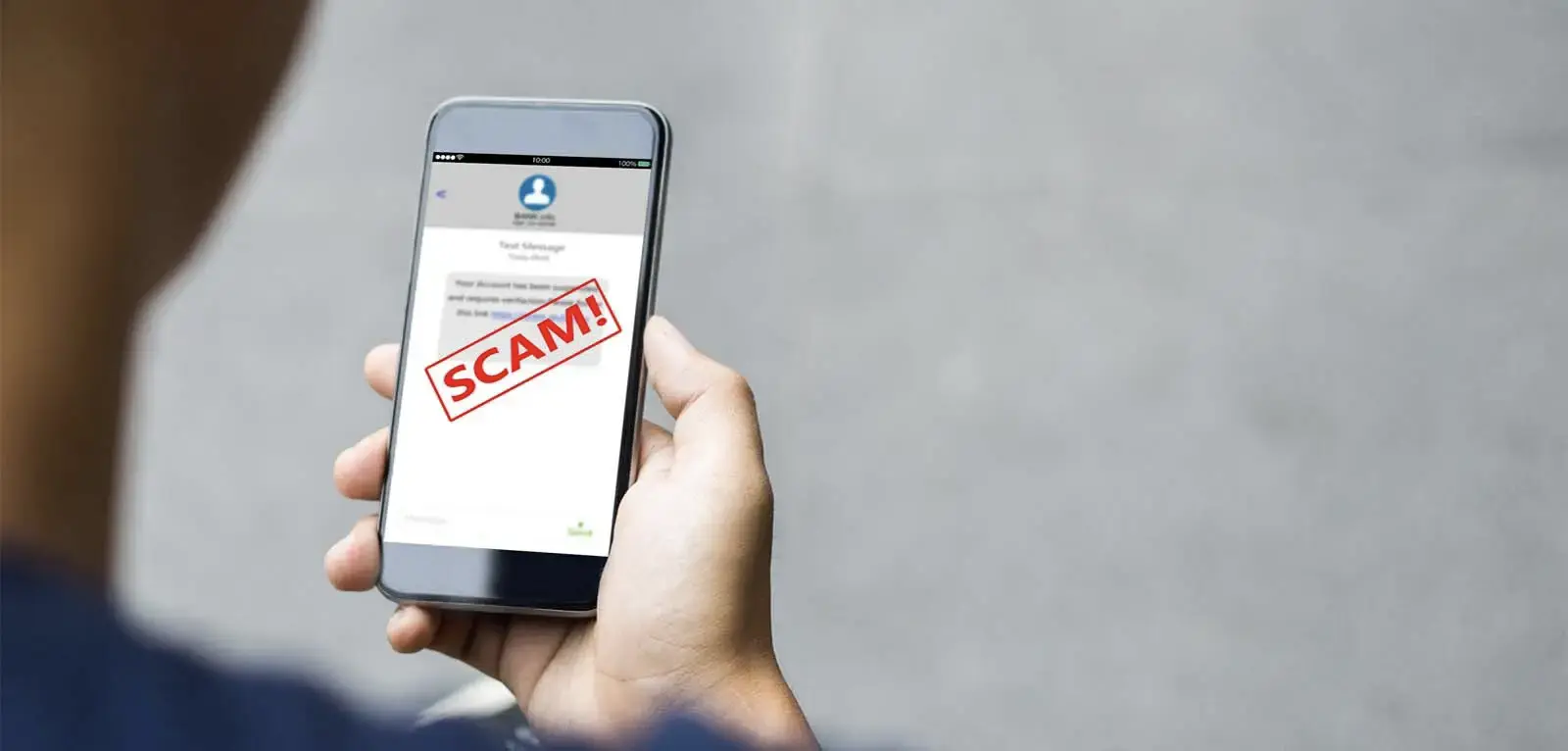

Online shopping has become part of our everyday rhythm. Whether it’s ordering a gift for a friend, stocking up on household items, or running a business from home, many of us now rely on delivery services just as much as we rely on our morning coffee. The convenience is unmatched, but so is the opportunity it creates for scammers. With more packages in transit than ever before, shipping scams have grown increasingly sophisticated, leaving consumers unsure of which notifications to trust and which ones could put their personal information at risk.
At PostNet, we believe people deserve to feel secure when sending or receiving something important. Shipping should be simple, transparent, and safe — not a source of anxiety. That’s why we want to shine a light on how modern shipping scams work and share actionable ways to recognize and avoid them. With the right information, you can protect your money, your identity, and your peace of mind.
As technology evolves, scammers evolve right along with it. Years ago, scam attempts were fairly easy to spot — poorly written emails, vague threats, suspicious requests. Today, these schemes are far more polished and convincing. Many fake websites look identical to the real thing. Emails may use brand logos and formatting that mirror official carrier messages. And texts often appear as though they’re coming from a familiar shipping provider with an update about a package you’re actually expecting.
Understanding the most common types of scams is the first step in protecting yourself.
One of the most widespread scams today involves unexpected messages asking you to send money immediately. These requests may come from someone claiming to be a representative from a shipping company, a courier who “can’t deliver your package without a fee,” or even a family member who says they’re stranded and need funds sent through the mail. These scenarios often sound rushed or emotional, designed to pressure you into acting before you have time to think.
Legitimate shipping companies will never request urgent payments by cash, gift card, wire transfer, or mailed check. If someone reaches out with a demand like this — especially if it comes out of nowhere — it’s a clear sign of a scam. Before responding to anything, take a moment to pause and call the person or company directly using a verified number. Trustworthy companies will always take the time to confirm details with you rather than forcing you to act on impulse.
Scammers often attempt to intimidate consumers by pretending to be government representatives. One common tactic involves posing as an IRS agent who claims there is an issue with your tax filings or that you owe money for a shipment stuck in customs. The caller may threaten legal consequences or claim you will be arrested if you don’t send payment immediately. These messages sound terrifying on purpose; that fear is what scammers rely on.
It’s important to remember that real government agencies, including the IRS, do not operate this way. They won’t call you unexpectedly or demand immediate payment using unconventional methods. They certainly don’t threaten arrest over the phone. If you receive a call like this, hang up and report it. These scams rely on fear, but knowledge is your best defense.
Phishing is one of the fastest-growing types of shipping scams today. These messages often look legitimate and usually include a link urging you to update your delivery address, confirm a payment method, or track a delayed package. Scammers design these emails and texts to mimic real shipping notifications so closely that many people don’t think twice before clicking.
But clicking these links can lead to malware downloads, stolen passwords, or access to your financial accounts. Even if you’re expecting a package, it’s still important to be cautious. Look carefully at the sender’s address, the link itself, and any unusual wording. Real shipping providers don’t send vague messages with spelling errors or urgent demands for sensitive information. When in doubt, open a new browser window and type in the carrier’s official website yourself rather than clicking any embedded link.
Some scams go a step further by creating a complete fake shipping company. These companies may have a professional-looking website, a working customer service number, and even a seemingly genuine tracking portal. Scammers often prey on people buying or selling items online, claiming to handle the shipment on their behalf. Everything appears legitimate until your money is gone and the company disappears without a trace.
Before trusting a shipping provider you’ve never heard of, spend a few minutes researching. Look for customer reviews, business listings, and accreditation. Check how long the website has existed, and search the company name alongside words like “scam” or “fraud.” If too many things don’t quite add up, trust your instincts and walk away. Genuine companies leave a digital trail; fake ones often crumble under basic scrutiny.
Scammers in the shipping industry have gotten pretty good at tricking people, but that doesn’t mean you have to fall for their tricks. If you know what to look for, it’s easy to avoid scams and keep your info safe. Luckily, there are some obvious signs that a scammer is trying to pull one over on you, and they’re pretty simple to spot.
First, always verify the identity of anyone who contacts you about a package. If someone claims to represent a shipping company, take a moment to cross-check their name or call the company directly using its official customer service number. Never rely on the contact information provided in a suspicious message. Verifying the source can quickly reveal whether the communication is legitimate.
Next, make a habit of researching unfamiliar shipping companies before doing business with them. A real company will have credible reviews, a traceable history, and an online presence that feels consistent and professional. If the website is too new, missing important details, or looks hastily assembled, you’re better off avoiding it entirely. Trustworthy partners don’t hide their information.
Another important step is to stick with shipping providers you already know and trust. If a new company contacts you offering shipping services you didn’t request, or if someone online suggests using a third-party shipper you’ve never heard of, be cautious. Your local PostNet center works only with established, reputable carriers, which means you never have to question whether your shipment is in safe hands.
You should also be extremely careful about sharing sensitive information. No reliable shipping provider will ever demand your Social Security number, banking details, or personal passwords. They won’t pressure you into making quick decisions or use emotional language to convince you to send money. If a message feels aggressive or urgent, assume it’s a scam until proven otherwise.
Finally, pay close attention to the writing in emails and texts. Many scams include subtle signs like spelling mistakes, awkward phrasing, inconsistent branding, or strange capitalization. Scam links may look like real company URLs but include unusual spellings or extra characters. If something about the message feels off, trust your instincts and avoid interacting with it.
And remember — reporting suspicious activity helps protect more than just yourself. By alerting local law enforcement or submitting a report to the FBI’s Internet Crime Complaint Center, you’re helping to shut down scammers and prevent them from targeting others.
In a world where scams are becoming harder to spot, it’s more important than ever to rely on shipping partners who put your security first. At PostNet, we believe in transparency, reliability, and personal service. Our centers are locally owned by people who care about your community — and about keeping your information safe. When you ship with us, you get honest guidance, face-to-face support, and access to trusted carriers with proven track records. Whether you’re sending something across town or across the world, we handle your packages with care and look out for your security every step of the way.
If you ever have questions about a suspicious message, unusual request, or shipping concern, your PostNet team is here to help. Stop by the PostNet center nearest you anytime to get personalized assistance from people you can rely on — because your peace of mind matters.



 Back to Top


